
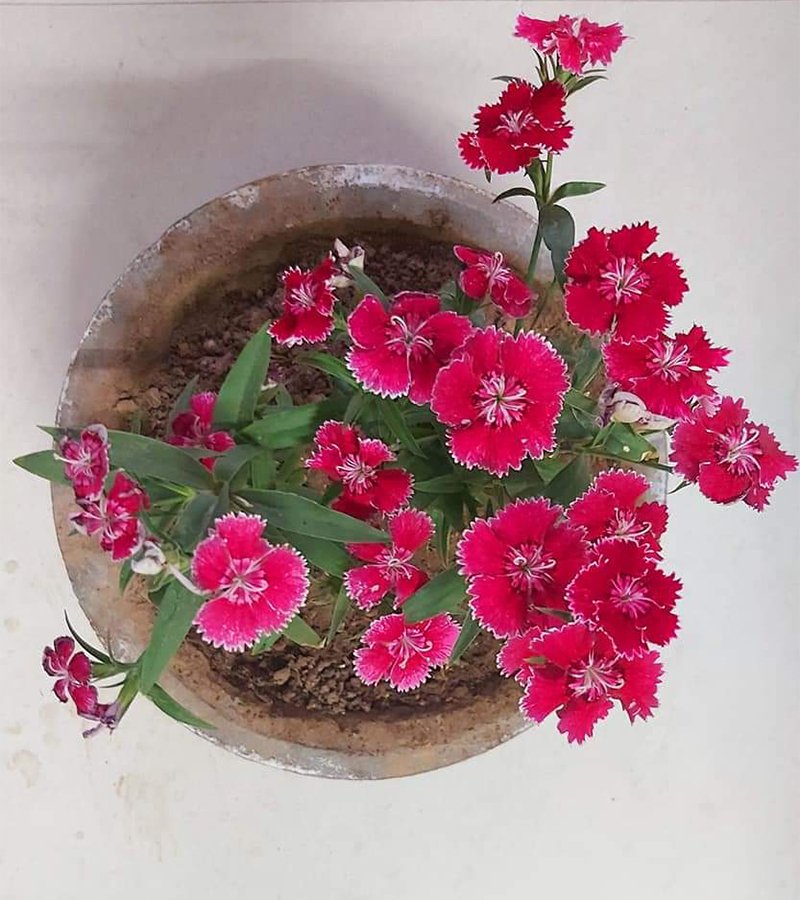


Unlock the Secrets to Flourishing Dianthus Chinensis in 7 Weeks: A Gardener's Comprehensive Guide
If you’ve ever dreamed of having a garden full of vibrant colors and sweet fragrances, look no further than Dianthus Chinensis. These delightful flowers, commonly known as Chinese Pink, offer a beautiful display and are very easy to grow. In this 7-week guide, we’ll take you through the steps to master the art of growing Dianthus Chinensis. Let’s start growing these beautiful flowers together
1. Introduction to Dianthus Chinensis
Welcome to the world of Dianthus Chinensis, where beauty meets simplicity. These beautiful flowers are not only eye-catching but also very tolerant, making them an ideal choice for both novice and seasoned gardeners. Let’s learn how to grow them and make your garden a floral masterpiece.
2. Choosing the Right Location
Selecting an Ideal Spot: Dianthus Chinensis does well in soil that drains effectively and enjoys plenty of sunlight. Pick a location that receives at least six hours of sunlight daily, ensuring proper drainage to avoid waterlogging.
3. Preparing the Soil with Love
Preparing nutrient-rich soil: Begin by blending compost or well-rotted manure to create a soil bed rich in nutrients. Since Dianthus Chinensis prefers slightly alkaline soil, add lime if necessary. Remember, a well-planned beginning sets the stage for a flourishing end.
4. Seeds or Seedlings: The Starting Point
Growing from Small Seeds to Beautiful Flowers: Decide whether to start with seeds or seedlings. Seeds offer a sense of accomplishment, while seedlings provide a head start. Whichever you choose, ensure they’re planted in well-prepared soil.
5. Watering Wisdom for Happy Blooms
Beware of overwatering: Dianthus Chinensis prefers moderate watering. Keep the soil consistently moist, but not waterlogged. A drip irrigation system can be a game-changer, providing just the right amount of hydration.
6. Feeding Your Dianthus the Right Way
Feast for the Blooms: Fertilize your Dianthus every 4-6 weeks during the growing season. Opt for a balanced, all-purpose fertilizer to keep those blooms well-nourished.
7. Pruning: Shaping Beauty
Trimming for Triumph: Regular deadheading and light pruning after the first bloom encourage continuous flowering. Think of it as giving your Dianthus a refreshing haircut for a more vibrant appearance.
8. Dealing with Common Challenges
Pest Patrol: Keep an eye out for common pests like aphids and caterpillars. A mix of neem oil or insecticidal soap can be a gentle yet effective solution. Your Dianthus deserves to bloom without any unwanted visitors!
9. Week-by-Week Growth Monitoring
The Growth Diary: Monitor the progress of your Dianthus weekly. Look for signs of nutrient deficiencies or pests, and make adjustments accordingly. This personalized attention ensures your blooms reach their full potential.
10. Celebrating the Blooms: Maintenance Tips
Abundant Blooms: As your Dianthus Chinensis graces your garden with its breathtaking blooms, celebrate by removing faded flowers regularly. This not only enhances the aesthetics but also encourages more buds to blossom.
11. Conclusion: Your Dianthus Success Story
In just seven weeks, you’ve transformed your garden into a colorful haven with Dianthus Chinensis. The journey might be simple, but the results are nothing short of extraordinary. Share your success story with fellow garden enthusiasts and let the beauty of Dianthus inspire others.
FAQs (Frequently Asked Questions)
Absolutely! Choose a well-draining potting mix, place your pots in a sunny spot, and watch your Dianthus thrive.
Water when the top part of soil looks dry. Aim for moderation, keeping the soil consistently moist but not soggy.
Yes, there are various cultivars with different colors and sizes, allowing you to choose the one that suits your taste and space.
Common pests include aphids and caterpillars. Regularly inspect your plants and use natural remedies like neem oil if needed.
While they can endure some cold, it’s best to protect them during harsh winters with a layer of mulch.
Start your Dianthus Chinensis journey today, and witness the transformation of your garden into a blooming paradise. Happy gardening!