
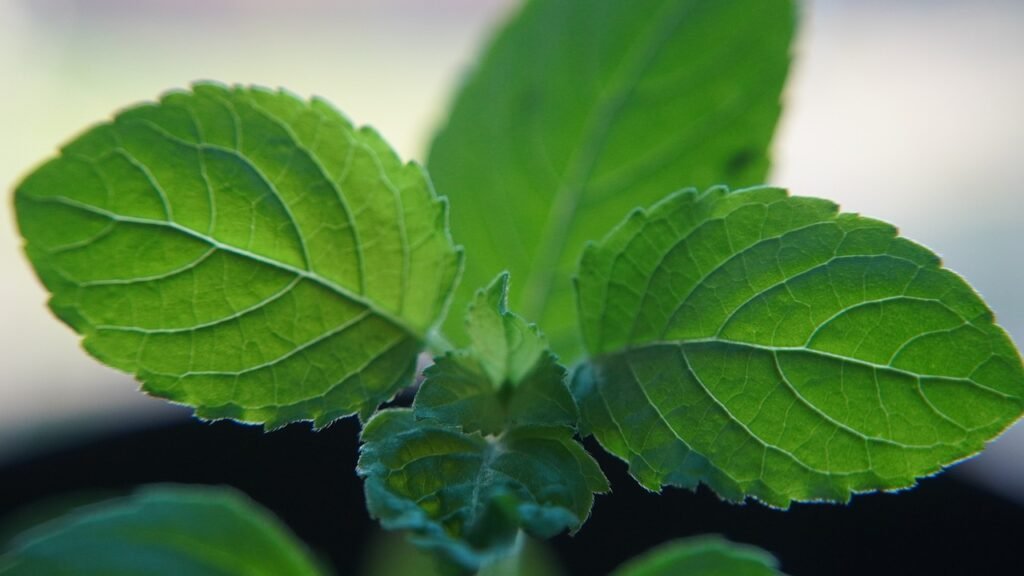
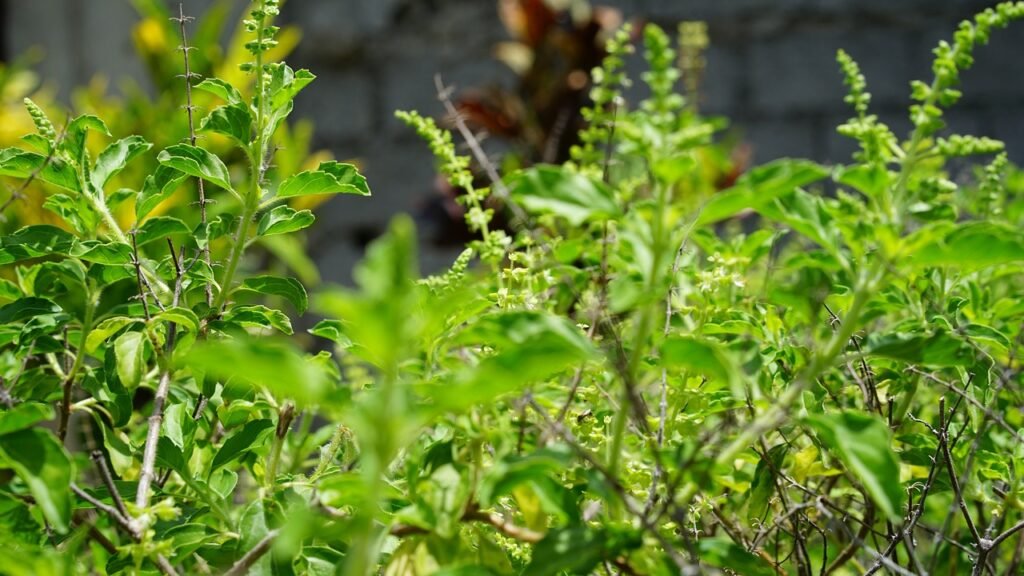
Step into the vibrant world of Indian culture, where the enchanting Tulsi plant, fondly known as Holy Basil, weaves a tale of spirituality, healing, and cultural richness. This journey invites you to explore the unique classification, fundamental characteristics, and the fascinating origin of this sacred herb.
Classifying the Sacred Tulsi:
Belonging to the Lamiaceae family, Tulsi boasts a distinctive classification among herbs. Its botanical identity sets it apart, contributing to its revered status in both spiritual and medicinal realms. Unlike its aromatic cousins like peppermint and oregano, Tulsi holds a special place in Hindu tradition, considered an incarnation of the goddess Lakshmi, the embodiment of prosperity and good fortune.
Unraveling Basic Characteristics:
Imagine a plant that not only graces your garden but also holds a cherished spot in your daily rituals. Tulsi, with its aromatic leaves and charming aroma, stands out for its basic characteristics. Recognized for its adaptability, the plant thrives in well-drained soil and dances under the warmth of ample sunlight. It’s a natural air purifier, and its vibrant green leaves add a touch of life and serenity to any space.
The Origin Story:
Tulsi’s roots trace back to the ancient landscapes of India. With a history as rich as its fragrance, the plant has been cultivated and cherished for centuries. Its origin story weaves into the cultural fabric of India, where it emerged not just as a herb but as a symbol of devotion. Legend has it that Tulsi sprung from the churned ocean during the Samudra Manthan, a mythological event symbolizing the balance of good and evil.
The Divine Presence of Tulsi:
In the hearts of millions, Tulsi embodies more than a plant—it symbolizes a connection to the divine. Regarded as an incarnation of the goddess Lakshmi, Tulsi is not merely grown; it is nurtured with love, care, and a deep sense of spirituality. Devotees offer daily prayers and libations to the plant, believing it brings blessings, prosperity, and protection from negative energies.
Cultural Significance:
Beyond its botanical allure, Tulsi holds a special place in cultural rituals. Whether adorning a courtyard or gracing a temple, the plant is a symbol of purity, protection, and positive energy. Its fragrance becomes a source of serenity, bringing a touch of the sacred into daily life. During festivals like Diwali and Tulsi Vivah, devotees decorate their homes and temples with Tulsi leaves and garlands, celebrating its spiritual significance.
Medicinal Marvels:
Tulsi, a powerhouse of antioxidants and essential oils, is not just a spiritual ally but a healer too. Sip on Tulsi tea, and you’ll discover a remedy that transcends the physical, offering a calming effect that extends to the mind and soul. Studies have shown its effectiveness in treating respiratory illnesses, reducing stress, and boosting immunity. Its adaptogenic properties help the body cope with physical and emotional stress, making it a valuable addition to any natural wellness routine.
Cultivating the Sacred Vibes:
Growing Tulsi at home is like inviting a spiritual companion into your space. With its adaptable nature and straightforward care, cultivating Tulsi becomes a joyful journey, connecting you to the earth and the age-old traditions it represents. Even in urban settings, a small pot of Tulsi can bring a touch of nature and serenity to your balcony or windowsill. Witnessing its growth and enjoying its fragrance can add a mindful pause to your day, reminding you of the simple yet profound connection between nature and spirituality.
Rituals and Traditions:
Participate in the annual celebration of Tulsi Vivah, a joyous ceremonial wedding that symbolizes unity and spiritual harmony. This cultural tradition adds a touch of grandeur to the changing seasons, marking not just a wedding but a union of nature’s forces. Witnessing or even participating in this vibrant festivity allows you to connect with the rich cultural tapestry of India and experience the deep reverence for Tulsi firsthand.
A Global Symbol of Harmony:
While deeply rooted in Indian culture, Tulsi’s appeal has transcended borders. It has become a universal symbol of harmony, peace, and the interconnectedness of spirituality and nature on a global scale. From adorning altars in Buddhist temples in Southeast Asia to being used in herbal remedies across the world, Tulsi’s versatility and inherent goodness continue to resonate with diverse cultures and practices.
Beyond Tradition:
The beauty of Tulsi lies not just in its ancient legacy but also in its adaptability to modern life. From soothing anxiety in a bustling city apartment to adding a touch of nature to a minimalist Zen garden, Tulsi finds its way into contemporary practices with ease. Its presence reminds us to slow down, find solace in the simple act of nurturing life, and connect with something larger than ourselves.
Embrace the Journey:
Whether you’re a seasoned practitioner of Ayurveda or simply seeking a natural way to enhance your well-being, Tulsi offers a welcoming embrace. Start with a single plant, learn its secrets, and witness its quiet magic unfold. From brewing a cup of tea to adorning your puja space, let Tulsi guide you on a journey of self-discovery, healing, and a deeper connection to the world around you.
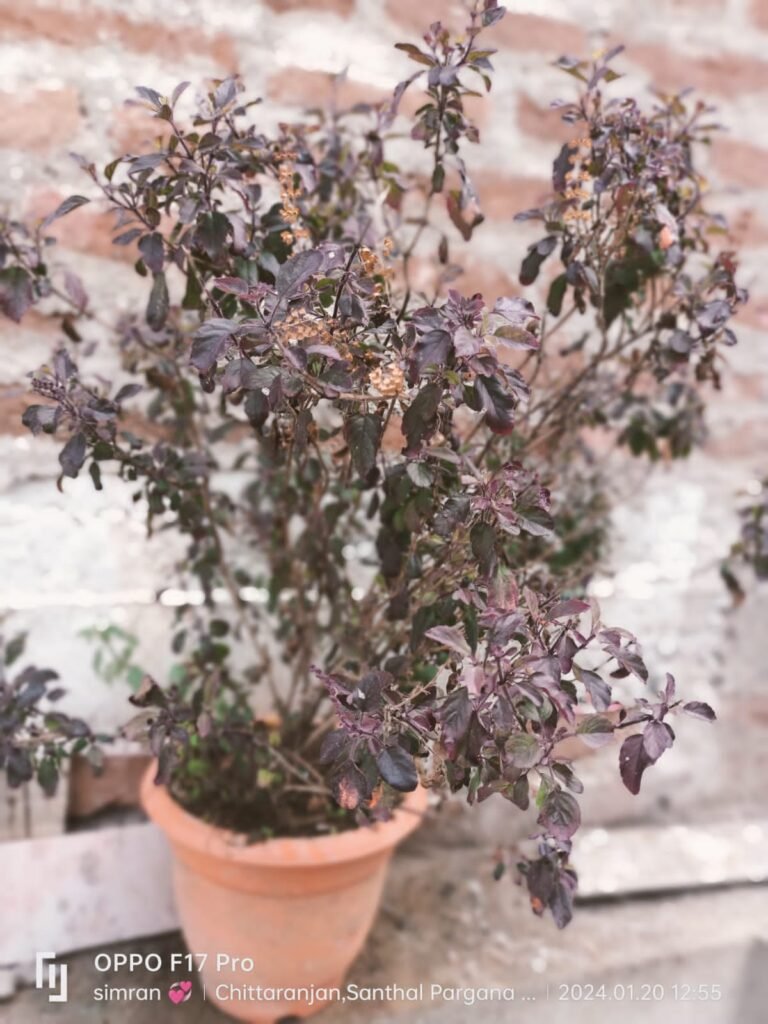
Tulsi : Echoes of Green Grace
Tulsi is more than a legacy; it’s a seed of serenity sown in fertile ground. Its roots, digging deep into the ancient earth, connect us to a wisdom older than time. Its leaves, reaching for the sun, whisper promises of hope and healing, a green haven where anxieties melt away and the soul finds solace. And so, each sip of Tulsi tea, each tender touch of its leaves, becomes an act of communion with the divine, Its presence invites us to embrace the divine, explore the wonders of nature, and cultivate a sense of harmony within ourselves and with the world around us. So, welcome Tulsi into your life, let its fragrance guide you, and discover the magic that unfolds when the sacred and the everyday meet.